


-

Add: HeBei ShengShi HongBang Cellulose Technology CO.,LTD.
-

Email
13180486930@163.com -

CONTACT US
+86 13180486930

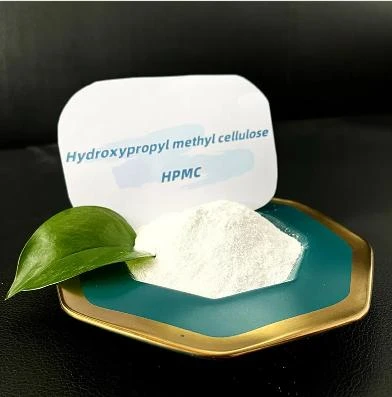


Retained Hydroxypropyl Methylcellulose (HPMC) has long been a cornerstone in various industrial and pharmaceutical applications, offering versatile properties that enhance product formulations, consistency, and performance. The recent discontinuation of certain retained HPMC products has sparked concern and curiosity among businesses and consumers who relied on its unique benefits. This article delves into the implications of this discontinuation, offers alternatives, and discusses the broader impact on industries that heavily utilized these products. Retained HPMC is renowned for its exceptional ability to control moisture, serve as a thickening agent, and sustain the stability of emulsions and suspensions. Its non-toxic, inert properties have made it a popular choice in the pharmaceutical industry for coating tablets, controlling drug release , and even in topical formulations. The construction sector also values HPMC for enhancing the workability of mortar and cement products, reducing water retention, and promoting adhesive properties. The discontinuation of retained HPMC products can be attributed to several factors, including shifts in market demand, advancements in technology, and changes in regulatory standards. For instance, increasing scrutiny over synthetic additives and a growing push for more sustainable, biodegradable alternatives have influenced manufacturers to reconsider their product lines. Furthermore, innovations in biopolymers and natural thickeners are providing effective substitutes that align with contemporary consumer preferences for eco-friendly ingredients. Businesses reliant on retained HPMC must now explore alternative solutions that can offer comparable performance characteristics. One promising substitute is cellulose ethers derived from natural sources, which maintain the desirable properties of HPMC while addressing environmental concerns. These alternatives minimize ecological impact and align with the industry's movement towards more sustainable practices. Moreover, professionals working in R&D departments are tasked with reformulating products to adapt to the absence of retained HPMC. This presents an opportunity for embracing innovation, as new formulations can potentially outperform traditional ones not just in terms of efficacy, but also in meeting regulatory standards and consumer expectations. Collaborative efforts across industries may foster the rapid development and acceptance of suitable replacements, thereby maintaining product integrity and customer satisfaction. retaine hpmc discontinued For industries such as pharmaceuticals and construction, the transition away from retained HPMC products necessitates thorough testing and validation processes to ensure the quality and safety of new formulations. This requires increased investment in R&D and robust collaboration with suppliers who can provide consistent, high-quality alternative ingredients. The discontinuation also highlights the importance of future-proofing product development to anticipate market shifts and regulatory changes. Companies that invest in adaptable, innovative solutions position themselves advantageously to navigate potential disruptors, ensuring long-term resilience and competitiveness. Engaging with regulatory bodies, industry groups, and consumer feedback can offer valuable insights and guide the development of high-performing alternatives. While the phase-out of retained HPMC products may pose challenges, it also paves the way for forward-thinking companies to lead the charge in sustainable innovation. By embracing this change, industries can not only sustain their operations but also contribute to broader environmental goals and enhance their reputation as conscientious, responsible market players. In conclusion, the discontinuation of retained HPMC products necessitates a strategic pivot towards sustainable alternatives. Through embracing innovation, rigorous testing, and cross-industry collaboration, companies can effectively navigate this transition. This approach ensures that businesses remain competitive and responsive to evolving market demands and regulatory landscapes, all while contributing positively to environmental sustainability.
- 40000tons

Production
- 20+years

Experience
- 5000+㎡

Acreage

-

Hydroxypropyl methylcellulose (HPMC) is a synthetic polymer widely used for its versatility and applications in various industries, such as pharmaceuticals, food, and cosmetics. Understanding the solubility of HPMC in organic solvents is paramount for those involved in product formulation and innovation. This article provides an in-depth look at the solubility map of HPMC, informed by real-world experiences and expert insights, to help you make informed decisions. HPMC is known for its unique solubility properties that make it highly functional. Unlike many cellulose derivatives, HPMC is soluble in water and some organic solvents. However, the solubility in organic solvents is not as straightforward as its aqueous counterparts . The degree of substitution and the nature of the solvent are primary determinants of HPMC’s behavior. A deep dive into solvent interactions reveals that HPMC demonstrates compatibility with polar organic solvents. Methanol, ethanol, and isopropanol are typically employed as solvents due to their polar nature, which interacts favorably with the HPMC molecules. Although complete dissolution may not always be achieved, blending these solvents with water often enhances solubility. Many formulators rely on these mixtures for HPMC applications, especially when targeting specific viscosities and functional attributes. In the arena of pharmaceutical formulations, the solubility of HPMC in organic solvents plays a vital role in controlled-release drug delivery systems. Experts frequently use a combination of ethanol and water to create a semi-solid matrix, which acts as a vehicle for sustained drug delivery. The solvent ratio, viscosity grade of HPMC, and other polymer characteristics are meticulously adjusted to meet the therapeutic needs. Despite considerable research and anecdotal evidence supporting specific solvent use, nuances in product formulations are inevitable. Experience lends insight into overcoming challenges such as solvent evaporation and maintaining polymer integrity. For instance, blending organic solvents with plasticizers has proven effective in preventing brittleness and enhancing film flexibility, a crucial aspect in coating applications. solubility of hpmc in organic solvents In the food industry, where HPMC is used as a thickener and emulsifier, compatibility with organic solvents is scrutinized due to regulatory and safety considerations. The application of ethanol in food-grade HPMC solutions showcases its utility in achieving desirable textures and stability in various consumables. Food technologists often emphasize a rigorous approach to solvent selection, focusing on maintaining consumer safety and product efficacy. Renowned experts in polymer science continuously evaluate the solubility characteristics of HPMC in emerging organic solvents. Environmental concerns and advancements in green chemistry have driven the exploration of eco-friendly solvents like ethyl lactate. These alternatives are gaining traction, though widespread adoption necessitates a careful balance between solubility performance and environmental impact. Trust in the reliability and safety of HPMC-solvent systems stems from robust testing and validation processes. Third-party verifications and certifications, especially in food and pharmaceutical domains, enhance the credibility of HPMC applications. Manufacturers often publish detailed solubility data and safe-use guidelines, supporting formulation scientists in their quest for optimal solubility strategies. Staying informed on advancements and new findings in solvents is crucial for professionals working with HPMC. Attending industry conferences, engaging in workshops, and subscribing to peer-reviewed journals are excellent methods to maintain expertise. Networking with fellow experts provides additional perspectives and solutions, further enriching one's understanding and application of HPMC in various contexts. In conclusion, understanding the solubility of HPMC in organic solvents is essential for optimizing product formulations across multiple industries. Balancing functionality, safety, and environmental considerations remains a top priority for professionals. Adeptly navigating these parameters ensures the development of high-quality, effective products that meet the evolving needs of consumers.
-

The formulation of high-performance cement-based renders and plasters demands precision-engineered additives. Industrial-scale manufacturers increasingly rely on specialized cellulose ethers like MHEC cellulose to achieve critical performance benchmarks. As leading Methocel suppliers expand their technical portfolios, bulk procurement of hydroxy methyl propyl cellulose derivatives becomes strategically vital for render producers. These materials not only enhance fundamental properties like workability and adhesion but also create formulation synergies with complementary products such as hpmc tile adhesive . For wholesalers and large-volume manufacturers, understanding the technical nuances between HPMC cellulose and MHEC cellulose unlocks significant operational advantages across production lines. This article examines how bulk integration of these cellulose ethers transforms render and plaster manufacturing economics. Technical Superiority of MHEC Cellulose in Render Applications MHEC cellulose delivers distinct performance advantages in cementitious render systems compared to standard HPMC cellulose . Its molecular structure provides exceptional water retention capabilities that maintain optimal hydration conditions throughout the curing process. This characteristic proves particularly valuable in large-scale plaster applications where extended open time prevents premature drying and minimizes shrinkage cracks. When sourcing from specialized Methocel suppliers , bulk buyers gain access to MHEC cellulose with enhanced compatibility profiles that outperform conventional hydroxy methyl propyl cellulose in demanding exterior applications. The material demonstrates superior resistance to temperature fluctuations and alkaline environments inherent in cement matrices. Render manufacturers frequently leverage these properties when developing high-performance systems requiring consistent workability under varying climatic conditions. The technical synergy between MHEC cellulose and common hpmc tile adhesive components enables formulators to create unified product lines with shared raw material inventories. Strategic Procurement from Specialized Methocel Suppliers Establishing partnerships with technical-grade Methocel suppliers represents a critical success factor for render manufacturers operating at scale. Reputable suppliers provide comprehensive batch documentation covering essential parameters including viscosity profiles, ash content analysis, and pH stability reports. These certifications ensure consistent performance across production batches – a fundamental requirement for industrial-scale render manufacturing. Progressive Methocel suppliers offer customized substitution levels tailored to specific climatic challenges, enabling formulators to optimize renders for regional application conditions. Container-load logistics solutions facilitate cost-efficient procurement strategies for bulk quantities of both HPMC cellulose and MHEC cellulose . For enterprises manufacturing both hpmc tile adhesive and cement renders, consolidated sourcing through single-source Methocel suppliers significantly streamlines quality assurance protocols. Technical dossiers documenting MHEC cellulose performance in sustainable plaster formulations further assist bulk buyers in meeting evolving environmental standards across global markets. Formulation Synergies Between Renders and Hpmc Tile Adhesives Significant operational efficiencies emerge when manufacturers leverage cellulose ether compatibility across different product categories. The chemical foundation shared between hpmc tile adhesive formulations and cement renders creates natural material synergies. Hydroxy methyl propyl cellulose specified for adhesive production often demonstrates excellent performance in base-coat render applications, particularly where high water retention capabilities are required. The distinctive rheological properties of MHEC cellulose provide valuable sag resistance in both vertical tile installations and thick plaster applications. Bulk procurement managers capitalize on these technical overlaps by negotiating volume-based agreements with Methocel suppliers covering multiple product lines. This integrated approach to HPMC cellulose and MHEC cellulose acquisition reduces testing overhead and simplifies raw material storage logistics. The adaptability of hydroxy methyl propyl cellulose across product categories enables manufacturers to maintain flexible production scheduling while minimizing inventory complexity. Bulk Optimization Strategies for Hpmc Cellulose Ethers Industrial-scale optimization of hydroxy methyl propyl cellulose procurement requires multi-faceted strategic planning. Technical consultation with Methocel suppliers ensures precise grade selection aligned with regional climate challenges and application requirements. Progressive manufacturers implement inventory hybridization strategies that strategically blend HPMC cellulose for interior applications with premium MHEC cellulose for exterior systems. This balanced approach achieves optimal cost-performance ratios across product portfolios. Forward-looking procurement specialists prioritize cellulose ethers with compliance documentation for emerging regulatory frameworks, future-proofing production capabilities. The consolidation of hpmc tile adhesive and render raw material requirements generates substantial economies of scale during transportation and quality verification processes. Technical collaboration with Methocel suppliers facilitates development of customized cellulose ether blends that address specific manufacturing challenges while maintaining batch-to-batch consistency across bulk shipments. FAQs: H pmc Cellulose Ethers in Industrial Construction Materials What distinguishes MHEC cellulose performance from HPMC cellulose in renders? MHEC cellulose demonstrates superior performance stability in high-alkaline cement environments compared to standard HPMC cellulose , providing more consistent water retention and workability maintenance throughout the application window. This difference becomes particularly significant in challenging climatic conditions. Do Methocel suppliers provide technical support for regional formulation challenges? Reputable Methocel suppliers offer comprehensive technical consultation services, recommending specific hydroxy methyl propyl cellulose grades and substitution levels optimized for local temperature ranges, humidity conditions, and application methodologies. How does MHEC cellulose integrate with polymer-modified adhesive formulations? MHEC cellulose demonstrates excellent compatibility with polymer-modified systems commonly used in hpmc tile adhesive , enhancing cohesion properties without interfering with critical setting mechanisms or final bond strength development. What procurement advantages exist for bulk MHEC cellulose acquisition? Leading Methocel suppliers provide dedicated logistics support for container-scale shipments of MHEC cellulose , creating significant economies of scale while ensuring consistent material availability for continuous render production operations. How does hydroxy methyl propyl cellulose selection impact plaster application efficiency? Properly specified hydroxy methyl propyl cellulose significantly extends the workable application window for plasters, enabling larger continuous sections to be finished before setting occurs, thereby optimizing labor utilization on major construction projects.
advantages
-

200000 Viscosities
Excellent product
We can produce pure products up to 200,000 viscosities
-

40000 tons
High yield
We don’t stop production all year round, and the annual output can reach 40,000 tons
-

24 hours
Quality service
We provide 24-hours online reception service, welcome to consult at any time
———— Inquiry Form
Schedule A services


-
 pp_macro_fiber
Oct . 25, 2025
Polypropylene fiber, often referred to as PP fiber, is revolutionizing a multitude of industries wit -
 muuzaji_wa_hydroxypropylmethylcellulose
Oct . 25, 2025
In today’s age of sustainable manufacturing and eco-conscious innovation, wood cellulose has gained -
 selulosa_kayu
Oct . 25, 2025
Hydroxypropyl methylcellulose (HPMC) , with a concentration of 0.3%, is becoming an increasingly pop


